If you’ve started hearing friends talk about “clashing” on their phones during a commute, you’re not alone. In March 2024 the UK App Store logged 1.7 million downloads of multiplayer‑focused titles—a 22 percent rise on the year before. This isn’t a passing fad; it signals a real shift in how people fill idle minutes, opting for real‑time competition instead of solitary play.
Technical foundations that made the boom possible
Three concrete developments converged in 2022‑2023:
- 5G rollout. By the end of 2023, 78 percent of UK households could access 5G, slashing latency from 50 ms to under 20 ms for most urban users. The result? A tap‑to‑shoot in a battle‑royale feels as snappy as a console.
- Cross‑platform networking libraries. Engines such as Unity’s Netcode for GameObjects and Epic’s Online Subsystem now enable seamless play across iOS, Android, and even low‑end Windows laptops, erasing the “phone‑only” barrier.
- Improved battery efficiency. Modern ARM chips consume roughly 30 percent less power during network‑intensive sessions, letting a typical 4,000 mAh phone last about four hours of multiplayer action on a single charge.
Combined, these factors turned what was once a niche hobby into a mainstream pastime.
Who is driving the growth?
The audience is surprisingly diverse. A June 2024 survey by UK Interactive Entertainment (UKIE) split active mobile multiplayer players into four groups:
- Teenagers (13‑17): 34 percent, mostly fast‑paced shooters and battle‑royales.
- Young adults (18‑29): 41 percent, favouring strategy games like real‑time card duels.
- Professionals (30‑45): 18 percent, who play during lunch breaks or on the tube.
- Seniors (45+): 7 percent, attracted by casual word‑games with cooperative modes.
The data shows the “professional” segment contributes the most to in‑app purchases, averaging £4.20 per month per user.
Monetisation models that actually work
Developers are moving beyond banner ads. The most successful titles blend two approaches:
- Cosmetic micro‑transactions. Skins, emotes and avatar customisations sell for £0.99‑£4.99 and rarely affect gameplay balance.
- Season passes. A quarterly pass priced at £9.99 unlocks exclusive maps and limited‑time events, nudging players to return regularly.
Games that avoided “pay‑to‑win” mechanics reported a 15 percent higher retention rate after six months, according to a 2024 SuperData report.
From mobile multiplayer to broader online entertainment
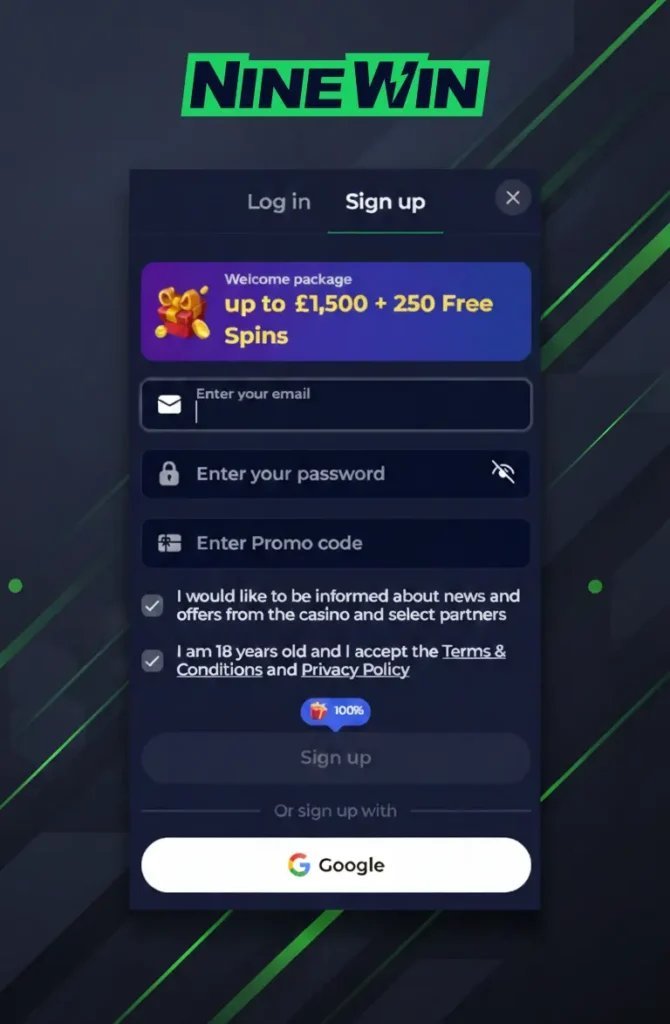
The appetite for real‑time interaction isn’t limited to pure games. Many players move from a quick commute match to longer sessions on platforms that blend gambling‑style odds with skill‑based play. One such destination is ninewin casino uk, which offers a hybrid experience where the social dynamics of multiplayer gaming meet traditional online entertainment.
Challenges that still need attention
Despite rapid growth, several pain points linger:
- Network stability in rural areas. 5G coverage drops to 42 percent outside major conurbations, leading to frequent disconnects for players in the Midlands and Scotland.
- Data usage. A typical 30‑minute session can consume 120‑150 MB of mobile data, a non‑trivial cost for users on limited plans.
- Moderation. Real‑time chat features are prone to toxic behaviour; only 58 percent of games surveyed have robust reporting tools.
Developers who ignore these issues risk alienating a growing segment of the market, especially older users who value a respectful environment.
What to watch for in the next year
Three trends are set to shape the landscape through 2025:
- Cloud‑gaming integration. Services like Xbox Cloud Gaming are adding “mobile‑first” multiplayer titles, reducing the need for high‑end hardware.
- Augmented reality (AR) overlays. Early pilots in London’s West End let players see virtual opponents through phone cameras, merging physical space with digital competition.
- Regulatory clarity. The UK Gambling Commission is reviewing how “skill‑based betting” interacts with multiplayer formats, which could affect monetisation strategies.
Staying informed about these developments will help you choose the right games and platforms for both fun and potential earnings.
Final thoughts
The rise of mobile multiplayer games in the UK is not a fleeting trend. Download numbers, revenue figures and user demographics paint a picture of a robust ecosystem that fuses technology, social interaction and savvy monetisation. Network gaps and moderation challenges remain, but the sector’s momentum suggests your next favourite pastime will likely start with a quick phone match and expand into the broader online entertainment world.
Frequently Asked Questions
Why are mobile multiplayer games popular now?
Because 5G and improved network speeds enable real-time play; users seek quick, social gaming during commutes.
How do developers ensure low latency?
By using edge servers, efficient matchmaking, and optimized netcode.
What genres see the biggest growth?
Battle royale, casual co-op, and quick-time challenge games have driven the download spike.
How can I join a multiplayer session quickly?
Download a popular title, log in, and use the ‘quick match’ or ‘clan’ feature to connect instantly.