Where the Casa Blanca Brand Sits in the 2026 Premium Market
Although the spelling “Casa Blanca brand” is often entered by web shoppers, it denotes the registered Casablanca fashion label located in Paris and created by Charaf Tajer in 2018. In the dense luxury market of 2026, Casablanca claims a particular and increasingly influential space: current luxury with strong brand narrative, premium materials and a aesthetic signature rooted in tennis, exploration and vacation culture. The brand exhibits collections during Paris Fashion Week, sells through luxury independent boutiques and stores worldwide, and positions its pieces in line with labels like Amiri, Jacquemus, Rhude and Palm Angels. This standing locates Casablanca beyond premium streetwear but under storied powerhouses like Louis Vuitton or Gucci, affording it room to develop while keeping the creative independence and allure that fuel its growth. Knowing where the Casa Blanca brand stands in this ladder is key for customers who plan to buy wisely and grasp the value proposition behind each investment.
Profiling the Core Audience
The typical Casablanca customer is a style-conscious individual between 22 and 42 years old who holds dear creativity, exploration and arts participation. Many buyers belong to or adjacent to cultural fields—design, media, music, hospitality—and search for clothing that expresses refinement and individuality rather than wealth alone. However, the brand also resonates with individuals in finance, tech and law who aim to distinguish their casual wardrobes with something more special than ordinary luxury staples. Women represent a growing percentage of the customer base, pulled toward the label’s relaxed cuts, colourful prints and vacation-suitable mood. Geographically, the largest markets in 2026 comprise Western Europe, North America, the Middle East, Japan and South Korea, though online channels has grown reach globally. A considerable secondary audience consists of collectors and flippers who track special drops and older pieces, recognising the brand’s capacity for increase in value. This diverse but unified customer base gives Casablanca a large commercial base while maintaining the air of rarity and cultural richness that captivated its initial fans.
Casa Blanca Brand Target Audience Profiles
| Segment | Demographics | Reason | Top Categories |
|---|---|---|---|
| Cultural professionals | 25–40 | Self-expression | Silk shirts, knitwear, prints |
| Luxury streetwear fans | 18–35 | Hype | Hoodies, track sets, caps |
| Vacation and travel shoppers | 28–45 | Resort dressing | Shorts, shirts, accessories |
| Archive buyers and resellers | 20–38 | Value growth | Archive prints, collaborations |
| Women customers | 22–42 | Dresses, Casablanca Maison skirts, silk pieces |
Price Tier and Worth Perception
Casablanca’s price structure mirrors its standing as a current luxury house that emphasises artistry, material quality and restrained production over mass-market availability. In 2026, T-shirts most often retail between 200 and 350 dollars, hoodies and sweatshirts between 400 and 700 dollars, silk shirts between 700 and 1 200 dollars, knitwear between 450 and 900 dollars, and outerwear between 800 and 2 000 dollars varying with intricacy and textiles. Accessories like caps, scarves and small bags range from 100 to 500 dollars. These retail levels are roughly comparable to labels like Amiri and Rhude but can be less than some Jacquemus or Off-White pieces at the premium end. What warrants the price for many customers is the fusion of bespoke artwork, superior fabrication and a unified brand story that makes each piece appear intentional rather than mass-produced. Resale values for popular prints and rare drops can outstrip first retail, which bolsters the image of Casablanca as a intelligent investment rather than a shrinking cost. Customers who compare cost per wear—considering how much they in practice wear a piece—often find that a flexible silk shirt or knit from Casablanca delivers strong value regardless of its initial price.
Retail Plan and Retail Reach
The Casa Blanca brand follows a controlled distribution model aimed at preserve cachet and guard against ubiquity. The principal direct channel is the brand’s website, which features the whole range of present collections, web-only drops and seasonal sales. A main store in Paris serves as both a sales space and a immersive centre, and temporary locations open regularly in cities like London, New York, Milan and Tokyo during fashion weeks and cultural events. On the wholesale side, Casablanca partners with a selective list of upscale retailers including SSENSE, Mr Porter, Farfetch, Browns, Dover Street Market and key department stores such as Selfridges, Neiman Marcus and Isetan. This controlled distribution confirms that the brand is available to committed shoppers without being found in every off-price outlet or budget aggregator. In 2026, Casablanca is said to be growing its store network with full-time stores in two extra cities and greater resources in its web experience, featuring online try-on features and upgraded size recommendations. For customers, this translates to expanding accessibility without the overexposure that can diminish luxury cachet.
Brand Positioning Compared to Rivals
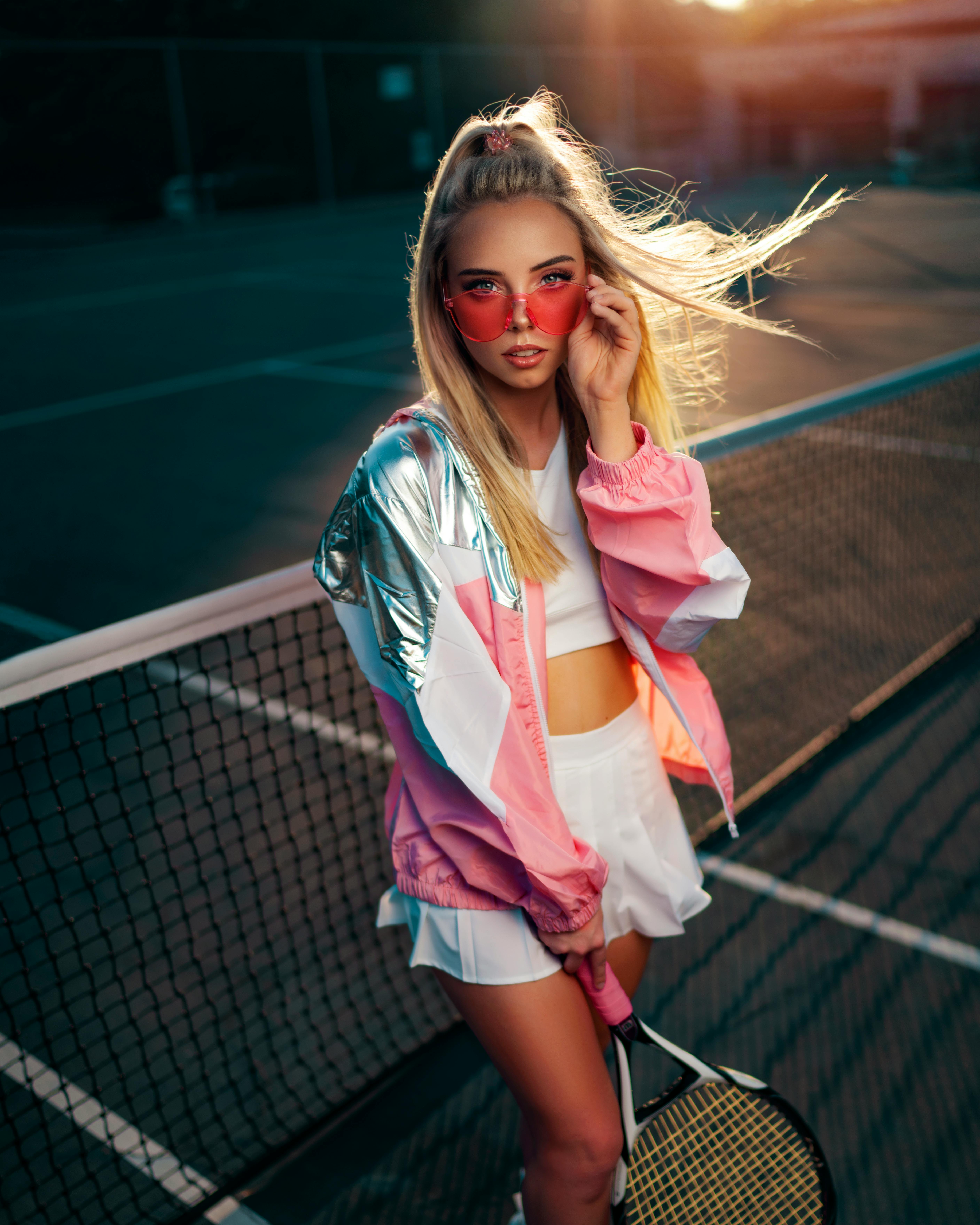
Knowing the Casa Blanca brand’s standing demands comparing it with the labels it most frequently is stocked with in independent stores and fashion editorials. Jacquemus shares a parallel French luxury heritage but tilts more toward simplicity and understated palettes, positioning the two brands complementary rather than rival. Amiri presents a edgier, music-influenced California identity that appeals to a distinct sensibility. Rhude and Palm Angels inhabit the high-end casual space with print-heavy designs that share ground with some of Casablanca’s casual pieces but do not have the leisure and tennis identity. What distinguishes Casablanca apart from all of these is its continuous dedication to hand-drawn prints, color saturation and a distinct atmosphere of positivity and resort life. No other label in the modern luxury tier has created its whole world around courtside life and European travel with the same depth and steadiness. This distinctive position affords Casablanca a protected brand character that is challenging for newcomers to reproduce, which in turn underpins enduring market position and price power.
The Importance of Partnerships and Exclusive Editions
Collabs and capsule releases fill a strategic part in the Casa Blanca brand’s positioning. By partnering with activewear brands, design institutions and design brands, Casablanca exposes itself to wider audiences while creating buyer energy among existing fans. These drops are usually made in limited quantities and feature co-branded prints or special colourways that are not available in standard collections. In 2026, collaboration pieces have grown into some of the most in-demand items on the aftermarket market, with certain releases trading above initial retail within days of launching. For the brand, this strategy generates press attention, brings traffic to stores and reinforces the narrative of exclusivity and desirability without devaluing the regular collection. For customers, collaborations present a window to buy rare pieces that exist at the junction of two cultural worlds.
Strategic View and Shopper Approach
For shoppers considering how the Casa Blanca brand fits into their individual wardrobe universe in 2026, the label’s standing implies a few smart methods. If you seek a wardrobe anchored by vibrant colour, illustrated design and wanderlust energy, Casablanca can serve as a primary provider for anchor pieces that centre outfits. If your style is quieter, one or two Casablanca garments—a knit, a shirt or an accessory—can introduce flair into a understated wardrobe without remaking your whole closet. Collectors and collectors should monitor limited prints and partnership releases, which traditionally maintain or beat their retail value on the pre-owned market. Whatever your path, the brand’s commitment to quality, narrative and selective distribution ensures a customer relationship that reads as purposeful and worthwhile. As the luxury market develops, labels that combine both personal connection and concrete quality are poised to outperform those that bank on hype alone. Casablanca’s identity in 2026 indicates that it is working for endurance rather than short-lived trendiness, establishing it a brand meriting following and investing in for the years ahead. For the current pricing and availability, visit the official Casablanca website or browse selections on Mr Porter.