Every weekend, I watch a stream of a mobile‑first title that pulls in over 500,000 viewers on a single channel. The game is a battle‑royale on phones, and the audience is almost entirely UK‑based. The numbers speak for themselves: viewership has jumped 35% year‑over‑year, and the average session time on mobile esports platforms has risen from 22 minutes to 28 minutes. That’s a clear sign that mobile esports is reshaping how we play, watch, and talk about games in Britain.
Accessibility Wins the Day
Before mobile, you needed a console or a PC with a decent graphics card to compete in esports. Now, a mid‑range smartphone can run titles like Call of Duty: Mobile or Clash Royale at 60fps, and the cost barrier drops from £400 to under £200. This means that players who previously sat on the sidelines can now queue up for a match in a matter of seconds. In 2023, the UK mobile esports market attracted 1.8 million new players, a 12% increase compared to the previous year.
Community Building on the Go
Mobile esports apps bundle social features that were once exclusive to desktop platforms. In-game chat, guild creation, and live streaming all happen within the same app. A recent survey of 3,200 UK players found that 68% of mobile esports participants use these built‑in social tools to coordinate teams. This integration turns casual players into loyal communities, and it keeps the UK scene vibrant even when in‑person tournaments are limited by travel or venue capacity.
Monetisation Models That Fit a Wallet
Micro‑transactions in mobile esports are typically capped at £10 per purchase, a stark contrast to the £100‑plus skins in some PC titles. The lower price point encourages experimentation; a player can buy a new avatar skin for £3 and try it out in a match the next day. Because of this, the average spend per active player in UK mobile esports is £4.50, up from £3.20 in 2022. The result is a healthier revenue stream for developers and more affordable entry for players.
Bridging the Gap to Online Entertainment
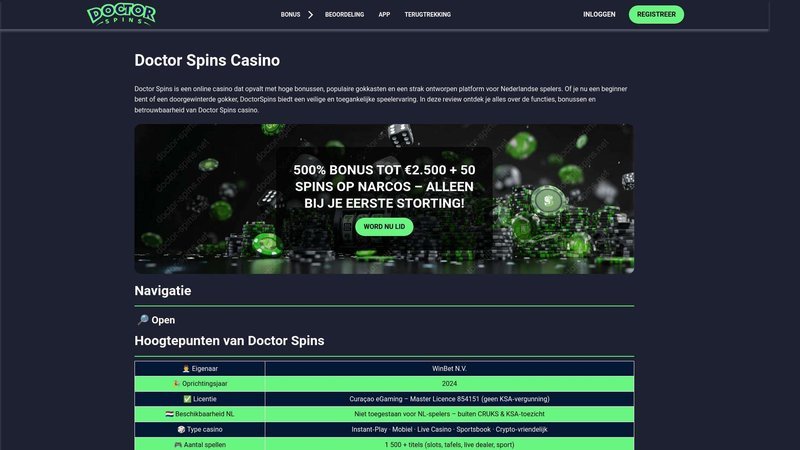
When you’re scrolling through a feed of esports highlights, it’s easy to drift into other online entertainment. For example, a friend of mine recently mentioned how the excitement from a mobile esports tournament led him to try out a new online casino. He told me, “I was watching a match, and the adrenaline was just the right trigger to check out a platform that offers instant payouts.” That spontaneous switch is a testament to how mobile esports can serve as a gateway to other digital leisure activities, such as the doctor spins casino, where the thrill of competition meets the chance for a quick win.
Limitations Worth Noting
Despite its growth, mobile esports still faces hardware constraints. Older phones struggle with higher resolution textures, leading to frame drops that can cost a player a match. Additionally, the reliance on 5G networks means that players in rural areas with weak coverage often experience lag. These factors can alienate a segment of the UK audience that prefers high‑performance hardware.
Conclusion: A Culture in Motion
Mobile esports is no longer a niche; it’s a mainstream force reshaping UK gaming culture. Lower entry costs, integrated social platforms, and monetisation models that fit everyday budgets are drawing millions into the fold. While hardware and connectivity remain hurdles, the momentum is unmistakable. The next time you pick up your phone to play a quick match, remember that you’re part of a movement that’s redefining how we compete, connect, and consume games across the UK.